

Exploring the cultural significance of gambling in modern society
The Historical Context of Gambling
Gambling has a rich history that dates back to ancient civilizations. From the rudimentary dice games of Mesopotamia to the sophisticated wagering practices in ancient Rome, gambling has always served as a form of entertainment, community bonding, and social interaction. These early activities were often imbued with cultural significance, intertwining with religious and ceremonial practices. This historical backdrop laid the foundation for the modern gambling landscape, evident in contemporary establishments such as royalreelscasino18official.net.
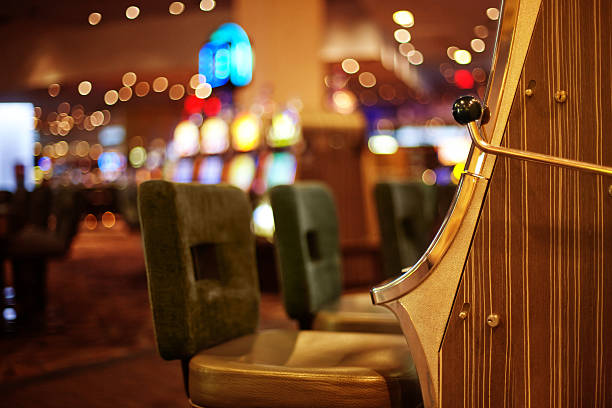
As societies evolved, so too did gambling practices. The establishment of casinos in the 17th century, particularly in Italy, marked a pivotal moment. These venues not only provided a space for games of chance but also became social hubs, attracting individuals from all walks of life. The evolution from informal betting to organized gambling reflects broader societal changes, highlighting how gambling has remained a constant presence in human culture throughout the ages.
The Role of Gambling in Contemporary Culture
In modern society, gambling extends beyond traditional settings, permeating various aspects of life. Online platforms and mobile apps have revolutionized the way people engage with games of chance, making gambling more accessible than ever. This accessibility has transformed gambling into a mainstream activity, often seen as a leisure pursuit akin to dining out or attending a concert.
The portrayal of gambling in media, from films to reality shows, has also contributed to its cultural significance. Popular culture often glamorizes the lifestyle associated with gambling, leading to both fascination and controversy. As societal norms evolve, so too does the perception of gambling, reflecting changing attitudes towards risk, reward, and personal responsibility.
The Psychological Impact of Gambling
Gambling possesses a unique psychological allure, often tied to the thrill of risk and the potential for reward. This attraction can lead to various emotional responses, from excitement and joy to anxiety and despair. Understanding these psychological effects is crucial for comprehending why gambling holds such a significant place in modern culture.
For many, gambling serves as an escape from daily life, providing a temporary rush that can distract from stress and challenges. However, this psychological engagement can also lead to negative consequences, such as addiction and financial distress. Society’s recognition of these dualities has fostered an ongoing dialogue about responsible gambling practices and the importance of mental health in relation to this popular pastime.
The Economic Influence of Gambling
The gambling industry has evolved into a significant economic force, contributing billions to global economies through taxation, job creation, and tourism. Casinos and other gambling establishments not only generate revenue but also stimulate local economies by attracting visitors and creating employment opportunities. This economic impact highlights the importance of gambling as more than just a form of entertainment.
Furthermore, the legalization and regulation of gambling in various jurisdictions have opened avenues for additional economic benefits, including funding for public services and community projects. As governments increasingly recognize these advantages, the landscape of gambling continues to transform, underscoring its relevance in modern society.

Online Gambling and Digital Culture
The rise of the internet has ushered in a new era for gambling, making it more accessible and diverse. Online casinos, sports betting websites, and virtual poker rooms offer users a plethora of options right at their fingertips. This shift has not only changed how people gamble but has also influenced social interactions, as online gambling communities have emerged, providing spaces for camaraderie and competition.
As technology continues to advance, the integration of augmented reality and virtual reality into gambling experiences promises to further reshape the cultural landscape. The evolution of digital gambling reflects broader trends in society, where convenience and instant gratification play crucial roles. This ongoing transformation raises questions about the future of gambling and its place in an increasingly digital world.